

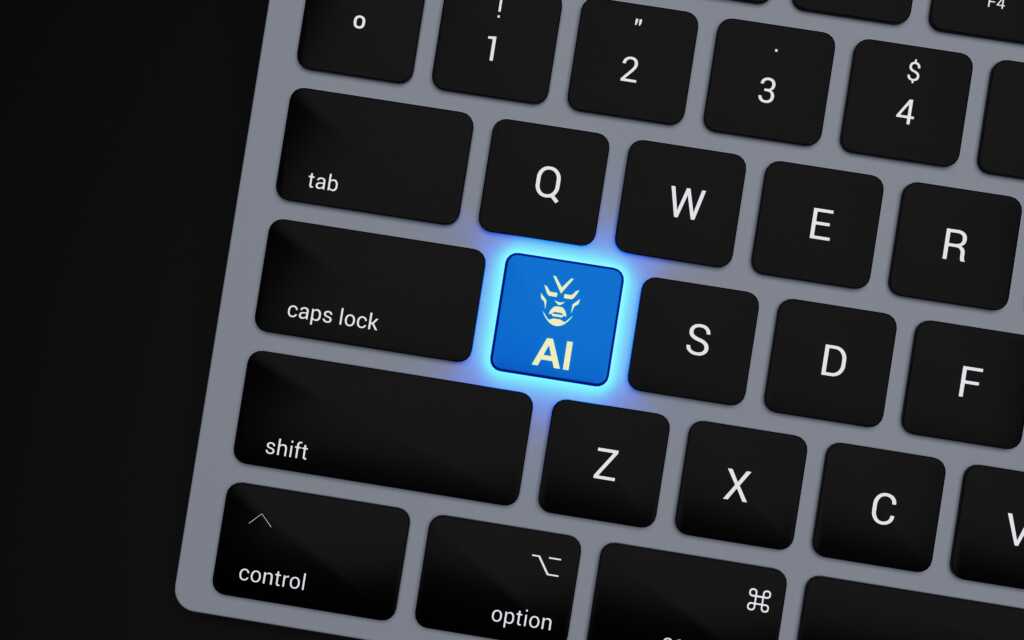

New Orleans has become the first city in the U.S. to send 911 callers to an AI bot.
Receiving more than 1,000 emergency calls every day, the Orleans Parish Communications District announced late last month it is now routing many calls through at artificial intelligence system that determines who needs to be connected immediately to a human dispatcher and who can be assisted by a bot.
Listen to the latest episode of “Quick Start” 👇
The system, AI Emergency Call Triage, went through a trial run via the OPCD’s non-emergency 311 line before going live on the main 911 line at the end of July.
According to the Shreveport Times, the AI tool monitors the contents of each call and filters out the urgent needs to alleviate strain on human dispatchers, keeping them from fielding redundant and low-priority requests.
OPCD Executive Director Karl Fasold explained callers will only be routed to the AI bot when all human dispatchers are busy and someone calls 911 within about 200 meters of a previously reported crash. If the bot determines the caller is requesting assistance for another issue, it will connect the individual to a human being.
“Every 911 center in the country is dealing with the reality of tighter budgets and inability to reach full staffing even with funding to do so,” Fasold said in a statement after receiving intense scrutiny online over the new system. “We have found this AI triage tool, used specifically for the scenario outlined above involving motor vehicle accidents, to be an extremely positive use of the technology to make the best use of our staff’s very limited time.”
When the news of the AI system began circulating online, some Reddit commenters raised concerns about instances in which a caller may need to use discreet language that an artificial intelligence bot could not comprehend or determine to be urgent.
“I wonder what happens if someone has to be discreet and order a ‘pizza’ and instead AI answers,” one commenter wrote.
The critic went on to describe the AI bot as “the worst idea you could possibly think of,” adding “you need a person” who can pick up on nuances, like background noise or the tone of a caller’s voice.
Cities like Atlanta and Seattle have utilized AI while fielding emergency calls, but in much more limited ways. For example, Atlanta has used the technology to more quickly determine a caller’s location.
While artificial intelligence can certainly be very useful, there are a multitude of concerns about utilizing the technology in highly sensitive situations. One study from last spring indicated AI voice systems are prone to inventing — or hallucinating — information at a high rate.
News of the artificial intelligence system in New Orleans comes on the heels of reports of federal authorities warning of digital threats to U.S. water systems after cyber-attackers targeted more than 30 such systems in Minnesota.
Additionally, the AI company Anthropic, maker of Claude, disclosed that several of its models escaped the company’s internal facilities to hack into three other organizations during testing. Those AI tools were able to breach the internet, despite creators’ best efforts to seal off any outside access.
As the number of voices facing big-tech censorship continues to grow, please sign up for Faithwire’s daily newsletter and download the CBN News app, developed by our parent establishment, to stay up-to-date with the latest news from a distinctly Christian perspective.